Motorcycle Rental in Canada: A Simple Guide to Renting Safely and Smartly
Introduction
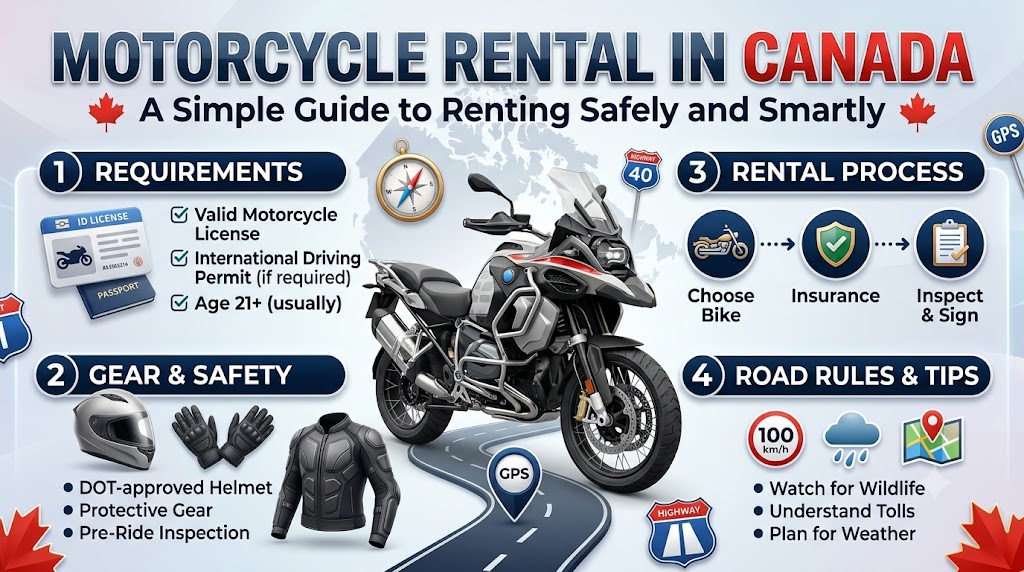
Want a motorcycle rental in Canada without stress? Start by picking a verified owner, checking the bike, and reading the full price. Many riders feel lost online. Prices look low, but fees appear later. Photos can look old. Some listings hide rules about distance and age. This guide fixes that. You will learn how to rent a motorcycle in Canada the smart way. We cover costs, checks, mistakes, and simple steps. We also look at motorcycle rental near me searches and long trips. Good planning saves money and keeps you safe on the road. Each part is short and easy to follow. MotoShare.ca is an online platform that helps you find and compare vehicle rentals across Canada. Read on, and plan your ride with calm.
Platform Overview
MotoShare.ca is an online marketplace for renting motorcycles and cars in Canada. Owners list their vehicles. Riders browse, compare, and book. Each listing shows photos, rules, and price. This helps you see what you get before you pay. The platform stresses clear details and fair terms. That protects you as a renter. You can also ask owners questions before you book. Good platforms do not hide fees. They show the full picture in plain words. That is what MotoShare.ca aims to do for riders across the country.
Core Concept Explained
Peer-to-peer rental means you rent a vehicle from its owner, not from a big company. The owner sets the rules and the price. Canada has a short riding season in most places. Many riders search from May to September. Because of this, good bikes book fast. Industry reports show that sharing platforms keep growing each year. More people now rent first and buy later. Renting lets you test a bike type before you spend thousands. It also suits tourists who cannot bring their own bike. Motorcycle rental Canada searches rise every spring for this reason.
Practical Options Breakdown
You can pick from a few main paths. Cruisers suit relaxed highway rides. Sport bikes fit skilled riders who want speed. Touring bikes carry bags and a passenger with ease. Adventure motorcycle rental Canada options handle gravel and long distance. Scooters work well for short city trips. Some trips need a car instead. Car rental Canada listings help when weather turns bad or you carry a group. Each path fits a different rider. Match the bike to your skill, your route, and your bags.
Step-by-Step Guide & Tutorial
Renting a bike takes eight simple steps.
- Set your goal, dates, and budget. Know why you ride before you search.
- Confirm you hold the right motorcycle licence for your province. Rules differ by region.
- Search by city and bike type. Big cities have more choice.
- Read the rules on distance, age, and gear. Limits can change your plan.
- Message the owner with any questions. Fast replies are a good sign.
- Confirm the total price and deposit in writing. Screenshots help.
- Inspect the bike at pickup and take photos. Note every scratch.
- Return it on time with the same fuel level. Then get your deposit back.
Industry Insights & Expert Perspective
Most renters focus on price first. Experts say that is a mistake. Riding instructors often give one tip: "Check the bike before you check the bargain." A cheap bike with worn tires costs more in the end. Insurance is another blind spot. Many riders assume their own policy covers a rental. It may not. Always ask your insurer first. Also, weather matters. Mornings in the mountains can be cold, even in July. Pack layers and rain gear. A motorcycle road trip Canada plan needs this extra care. Small choices like these shape your whole trip.
Costs, Timing, and Realistic Expectations
Prices change by city, bike, and season. Prices for motorcycle rental Toronto and motorcycle rental Vancouver often run from 100 to 250 dollars a day. Motorcycle rental Calgary prices can look similar in summer. Bigger touring and adventure bikes cost more. Most owners ask for a deposit. It can range from a few hundred dollars to over a thousand. Watch for extra fees too. These can include cleaning, late returns, extra kilometres, and gear. Ask for the total price before you book. Weekly deals often cut the daily rate.
Real-Life Case Studies & Use Cases
Here are four example scenarios based on common rental situations.
- Budget beginner: Maya wanted one weekend ride in Calgary. She compared three listings, read the rules, and picked a small cruiser. She paid the posted price and returned the bike on time.
- Urgent trip: Tom needed a bike in Toronto fast. He asked for brake photos and service notes. The owner replied quickly. Tom rode safely and got his deposit back.
- Long-term comparison: Priya weighed a cruiser against an adventure bike in Vancouver. The cruiser cost less, but the other handled rain better. She chose the adventure bike and felt safe.
- Specialized trip: Leo planned gravel roads on a long route. He asked about tires and off-road rules first. He found the right bike and had a smooth trip.
8 Costly Mistakes to Avoid
- Chasing the lowest price: Cheap listings often hide fees or tired bikes. Solution: Compare the total price, not just the daily rate.
- Skipping the licence check: Some riders forget local licence rules. Solution: Confirm your licence class before you book.
- Ignoring insurance: Many people assume their own policy covers a rental. Solution: Ask your insurer and the owner in writing.
- Skipping the walk-around: Missed damage can become your bill. Solution: Take photos of the whole bike at pickup.
- Booking in a rush: Last-minute choices often lead to poor matches and higher prices. Solution: Start your search at least two weeks early.
- Missing the rules: Distance caps and age limits can ruin a trip. Solution: Read every rule before you pay.
- Wrong bike for the route: A sport bike struggles on gravel roads. Solution: Match the bike type to your road.
- Trusting the first listing: A motorcycle rental near me search shows many choices. Solution: Compare at least three options first.
Unique Decision Framework
Use the MotoShare Ride Roadmap for every rental. It keeps each rental simple and safe.
- Step 1: Goal. Decide your trip, dates, and budget.
- Step 2: Search. Look up bikes in your city.
- Step 3: Verify. Check the owner, reviews, and insurance.
- Step 4: Compare. Weigh total prices and rules.
- Step 5: Ask. Message the owner with questions.
- Step 6: Decide. Pick the bike that fits your plan.
- Step 7: Review. Share feedback after your ride.
How the Platform Fits Into Your Journey
MotoShare.ca brings research and checks into one place. You can browse bikes and cars by city. You can compare prices and read the rules. You can message owners before you book. This saves time and lowers risk. Whether you need car rental Toronto options or a bike for a long trip, the steps stay the same. Use the platform as a tool, not a shortcut. Still verify each detail yourself, even on trusted sites. That habit protects your money and your ride.
Frequently Asked Questions
1. How do I rent a motorcycle in Canada?
You rent a motorcycle in Canada by choosing a listing, confirming your licence, and booking with the owner. First, search your city. Next, read the rules and total price. Then message the owner. Pay only after you agree on all terms. At pickup, check the bike and take photos. Return it on time.
2. Do I need a special licence for motorcycle rental in Canada?
Yes, you need a valid motorcycle licence for your province or home country. Rules differ by region. Some places allow foreign licences for short visits. Others ask for extra papers. Check local rules first. Also tell the owner your licence type. Owners may ask to see it before handing over the keys. This keeps your rental legal and safe.
3. How much does motorcycle rental Toronto cost?
Motorcycle rental Toronto often costs about 100 to 250 dollars per day. The price depends on the bike and the season. Summer weekends cost more. Touring bikes cost more than scooters. Deposits and fees come on top. Ask for the full price in writing. Weekly rates often lower the daily cost.
4. Is motorcycle rental Vancouver good for a coast trip?
Yes, motorcycle rental Vancouver works well for coastal and mountain rides. The routes are scenic and the roads are well kept. Rain can come fast, though. Pack waterproof gear and check the forecast. Spring and fall are cooler. Book early for summer. Ask the owner if tires suit wet roads. This keeps your ride safe.
5. What should I know about motorcycle rental Calgary?
Motorcycle rental Calgary is popular for rides to the Rocky Mountains. Summer is the busiest time. Weather can change within hours, even in July. Pack layers and rain gear. Ask about distance limits if you plan a long ride. Check that the bike suits mountain roads. Book early to get the best choice.
6. How do I find motorcycle rental near me?
The best way to find motorcycle rental near me is to search by city on a rental platform. Then filter by bike type and dates. Read each listing and check reviews. Message owners who live close to you. A nearby pickup saves time and fuel. Always confirm the pickup address and time before you pay.
7. Can I use an adventure motorcycle rental in Canada on gravel roads?
Sometimes, but only if the owner allows it. Many listings ban off-road use. An adventure motorcycle rental Canada listing may allow gravel. Always ask in writing. Check the tires and guards too. Riding where it is not allowed can void insurance and cost you your deposit. Respect the rules and ride safely.
8. Is car rental Canada better than a bike for some trips?
Yes, car rental Canada is better for bad weather, large groups, and heavy bags. A car also suits winter trips. A bike gives more freedom and fun in good weather. Choose by season, route, and comfort. Some riders mix both on long trips. Compare costs and rules for each before you decide.
9. Can I find car rental Toronto on the same platform?
Yes, MotoShare.ca lists cars as well as motorcycles. You can search for car rental Toronto options by city and date. Owners set their own rules and prices. Read each listing with care. Check mileage limits, fuel rules, and insurance. Compare two or three cars before you book. This helps you avoid surprise costs later.
10. What is a good plan for a motorcycle road trip Canada?
A good motorcycle road trip Canada plan starts with a clear route, a fair budget, and the right bike. Limit daily rides to about 300 kilometres. Plan fuel stops early in remote areas. Check distance limits in your rental rules. Pack for cold and rain. Share your route with a friend.
11. What should I check before I pick up the bike?
Check the tires, brakes, lights, mirrors, and fuel level before you ride. Walk around the bike and take photos of any scratch. Ask the owner to note the damage in writing. Test the controls in the parking area. Confirm you have the keys, papers, and a helmet. Speak up before you leave if anything feels wrong.
12. What happens if the bike gets damaged?
The rental terms decide who pays. Read them before you book. Many owners keep your deposit for small repairs. Larger damage may need insurance. Report any accident to the owner right away. Take photos and write down what happened. Keep every message. Call emergency services if anyone is hurt. Clear records help settle things fast and fair.
Conclusion
Renting a motorcycle in Canada can be simple when you plan well. Set clear goals, check every detail, and compare the full price. Do not rush. Read the rules, test the bike, and keep records. Remember that city, season, and bike type change cost and comfort. Talk to your insurer and your licence office if you feel unsure. Ask a certified instructor for advice on hard routes. Use MotoShare.ca as an educational resource to search, compare, and message owners. Good habits protect your money, your bike, and you. Small checks today prevent big problems tomorrow. Then ride with confidence, respect the road, and enjoy every kilometre.