A Drone Pilot's Guide: Buy Smart, Fly Safe, Hire Right
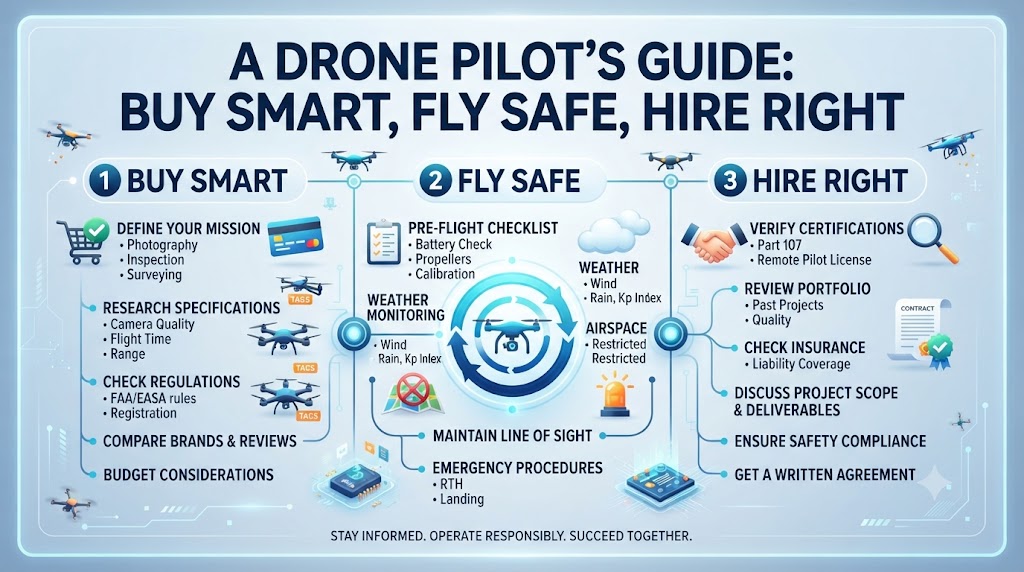
After ten years of flying, I see the same story every week. A buyer walks in, excited. Then the questions start. Which model? Which camera? Which pilot? The answers feel endless. Business owners face the same maze. They need sky photos, maps, or checks done right. But ads shout from every side. One claims the longest flight. Another claims the sharpest lens. Hard words fill every spec sheet. Most people give up and guess. Guessing costs money. So I wrote this guide in plain words. It shares what pros look for before spending a single dollar. You will learn how to test gear, read specs, and hire safe hands. DronesBee.com helps here too. It works as an open drone research and service hub, with reviews, guides, and trusted pilot lists in one place.
What DronesBee.com Really Is
Let me explain the tool I trust most. DronesBee.com is an open discovery hub, not a store. It never takes sides or pushes one brand. The site holds a deep drone database. Sort models by price, camera, and skill level. It also lists checked pilots. Each one holds a real license and passed a review. Plain guides cover rules, gear, and flight safety. A side-by-side view stacks providers against each other. One visit can save a whole weekend of searching.
How Pros Pick a Drone
Skill comes first. A light model under 250 grams forgives rookie errors. Flight time comes next. Short hops of 20 minutes frustrate real work. Look for 30 minutes or more. Then study the camera sensor. Big sensors drink in more light. Sunset shots stay clean instead of grainy. Never trust a brand's own page alone. Read honest drone reviews from real owners. They share the truth about signal drops and weak packs. In my years, the best drones were never the flashiest. They were the ones still flying after two hard seasons.
How to Compare Drones Without Getting Fooled
Ads fool people fast. A careful drone comparison stops that. Payload sits at the top. Payload means how much weight a drone can lift. Add a heavy lens later and a weak lift fails you. Range comes second. Ask how far it flies before the signal fades. Then check obstacle sensing. Front-only eyes miss half the danger. Finally, read the drone specifications line by line. Speed, weight, camera, and charge time all live there. Ask what each number means for your job. That habit separates smart buyers from sorry ones.
When to Hand the Controls to a Pro
Some jobs should never be a DIY test. Anything over people, roads, or towers needs a pro. Lawsuits grow fast after one crash. That is why firms hire drone services from trained teams. These crews hold permits, insurance, and backup gear. So how do you find them? Type drone pilots near me into a search. Then do what I do: check licenses, call past clients, and demand proof of insurance. A confident pro shares all three without blinking. That calm trust beats any cheap quote.
Photos and Films That Sell
Light sells a property. From the air, one frame shows the whole estate, garden, and road. That is the power behind aerial photography services. I have filmed hill homes, beach weddings, and city ads. Each job starts the same way. We scout the light, plan the flight path, and pack spare cards. Buyers should ask one thing: show me your past shots. Sharp, steady photos beat any sales pitch.
Maps That Save Weeks of Walking
Land work used to mean boots, tape, and weeks of walking. Drone surveying services changed all of that. The drone flies neat rows over the site. GPS pins every photo to its true spot. Software then builds a 3D map with slopes, piles, and edges. Site bosses compare old maps with new ones. Progress jumps out at a glance. My advice: ask any team for a dated sample map. Real pros keep them ready.
Checks That Keep People Off Ladders
Old tower checks sent people up ladders with clipboards. That risk always scared me. Drone inspection services removed most of it. The drone hugs the structure at a safe distance. A zoom lens shoots every wire, weld, and joint. A thermal camera finds hot spots before they fail. Cracks, rust, and loose bolts get logged with exact spots. The crew stays on the ground. Reports arrive the same day. Repairs start sooner, and no one risks a life.
Farms That Fly
Farmers now run part of the farm from the air. Agricultural drone services began as a novelty. Today they are plain good business. One flight scouts crop health across acres. Sick patches show up before eyes catch them. Moisture maps find the dry corners of each field. Some machines even spray with exact doses. Chemical bills shrink while yields climb. Ask providers about their sensors and spray kit. Steady gear and clear data make the difference.
Real-Life Scenarios
- A wedding planner hires a pilot for a hilltop ceremony. Guests gasp when the aerial film plays at the party.
- A road crew surveys a new route with a drone. The 3D map saves two weeks of field work.
- A solar farm checks 4,000 panels with a thermal drone. One flight finds three hot cells in an hour.
8 Common Mistakes to Avoid
- Chasing the cheapest pilot. Low bids often skip insurance and permits. Ask every pilot for proof before you book. Compare value, not just price.
- Flying near airports. Airspace rules near runways are strict. Check the zone map before takeoff. Fines here run high and fast.
- Skipping practice weeks. New pilots crash most in week one. Fly in an open field first. Learn the controls before any paid job.
- Trusting edited sample videos. Some portfolios use heavy filters and fake shots. Ask for raw clips instead. Real footage shows true skill.
- Buying without checking spare parts. Dead blades can stall a shoot for weeks. Confirm parts sell locally first. Then buy the drone.
- Flying in cold and wind. Chill drains packs fast, and wind pushes drones off course. Set a wind limit and honor it. Postpone when gusts rise.
- Forgetting the home-point setting. Lost drones often never come back. Turn on the home point before takeoff. Test it once in an open field.
- Hiring without a written deal. Verbal promises vanish when problems come. Put price, date, and files in writing. Both sides then stay safe.
The 7-Step Drone Planning Process
Step 1: Goal. Name the exact task first. Set the budget and date before anything else.
Step 2: Search. Open a research hub like DronesBee.com. List the models or teams that fit the job.
Step 3: Shortlist. Cut the list to three names. Drop anyone with vague specs or no proof.
Step 4: Compare. Stack prices, specs, and past work side by side. Pick the best value, not the lowest bid.
Step 5: Ask. Message each finalist. Ask about licenses, insurance, and their safety plan.
Step 6: Verify. Confirm each claim with real proof. Call a past client and check every permit.
Step 7: Decide. Choose the winner and sign a short written deal. Lock the date, price, and file format.
Frequently Asked Questions
Question 1: How much should I spend on my first drone?
My rule is simple: spend 300 to 800 dollars on the first one. Toys under 150 dollars break within a season. They also fly crooked in light wind. A known brand brings stable flight, good support, and spare parts. Keep 100 dollars aside for extra packs and blades. That small buffer saves your whole hobby.
Question 2: Do hobby flyers need a license?
Rules differ by country, so check yours first. Many places ask for a sign-up once a drone passes a set weight. Flying near airports or crowds may need extra paper. Paid work always needs a licensed pilot. Hobby flights usually face lighter rules. Still, learn the local flight zones before takeoff. Fines for careless flights can sting hard.
Question 3: Which drone suits a total beginner?
Pick a light model under 250 grams. Light drones face fewer rules and hurt less in a crash. Look for auto hover and a one-button home return. A simple camera helps you learn framing early. Skip the big pro birds at first. They move fast and punish small errors. Fly a cheap trainer first, then upgrade later.
Question 4: How many spare batteries do I need?
Three is my magic number. One flies, one cools, and one charges. Most drones run 20 to 35 minutes per pack. Pro machines reach 45 minutes. Cold air and wind cut those times hard. Three packs keep a shoot alive through a full morning. A fast charger helps too. Buy packs in a bundle to save a little money.
Question 5: Can I fly when snow falls?
Light snow is risky for most drones. Moisture creeps into motors and boards. A few heavy pro models handle dry, cold air well. But wet snow harms almost every machine. Fog also blinds the camera. My rule: fly only in clear, dry air. If snow starts mid-flight, return and land fast. Dry the drone before storage.
Question 6: What should I ask before hiring a pilot?
Ask three things first. Show me your license. Show me your insurance. Show me your last three jobs. A real pro answers all three with a smile. Then ask about their backup gear and weather plan. Search drone pilots near me on an open hub like DronesBee.com, then run these checks on each name. Slow hiring beats fast regret every time.
Question 7: How much do aerial shoots cost?
Small property shoots often land between 150 and 400 dollars. Weddings usually run 300 to 800 dollars. Big film jobs can climb into thousands. The price covers the pilot's skill, permits, gear wear, and editing hours. Always ask for a written quote with a clear file list. That paper protects both sides.
Question 8: How exact are drone maps?
Very exact when the setup is right. Good teams mix GPS with ground control points. Error often stays near two to five centimeters. Flight height and poor light can soften the result. So ask for past map samples and an accuracy report. A serious survey team shares both fast. That proof beats any sales talk.
Question 9: What does a thermal camera add to inspections?
Thermal cameras see heat, not just light. On power lines, they find hot joints before they fail. On solar farms, they spot dead cells in one flyover. On roofs, they trace wet patches and leaks. The drone hovers at a safe distance while the sensor scans. Reports then flag each fault with a photo. Fix crews go straight to the fault.
Question 10: Can a small farm afford drone help?
Yes, and it often pays back within a season or two. Basic crop scouting flights cost far less than a tractor day. Moisture maps cut water and power bills. Spray drones use fewer chemicals. Yields also rise when sick patches get treated early. Start with one service, measure the savings, then expand. Small steps keep the budget safe.
Question 11: Where do most drone crashes happen?
Most crashes happen close to home, in the first minute of flight. Trees, wires, and fences cause most of them. Low batteries and surprise gusts cause the rest. So clear the launch zone before takeoff. Check the wind and the battery level. Also, set the home point before the motors spin. Care at the start saves the whole day.
Question 12: How do I start today?
Grab a notebook first. Write your goal, budget, and date on page one. Then open a research hub like DronesBee.com and browse the database. Note three models or three pilots that fit. Stack their specs and prices side by side. Ask for proof from each one. Pick the winner, sign a short deal, and book the date early.
Conclusion
Here is my final thought after years in the field. Do not let fancy ads rush your wallet. Slow buyers make the best choices. Start with a clear goal. Check specs, read reviews, and compare three options before spending. Keep flight safety above every deadline. Follow local rules and get permits early. For risky jobs, trust licensed pros with insurance over cheap promises. For fun flying, learn in open fields and grow slowly. DronesBee.com remains my go-to open hub for research and trusted pilot listings. So plan well, fly safe, and let the sky work for you. The sky is open for everyone who plans first.